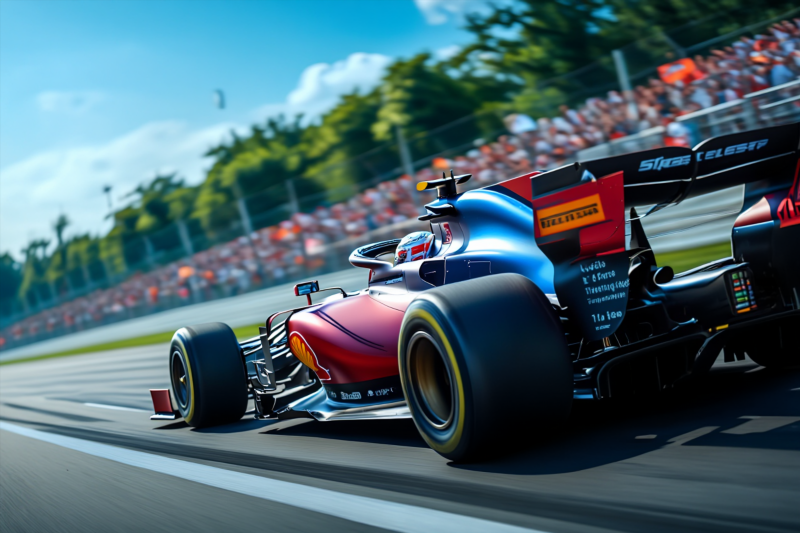
Unlocking the Power of Telemetry in Modern Formula 1
In the high-stakes world of Formula 1, every millisecond counts. Behind every impressive lap time and race-winning strategy lies a sophisticated web of data, collected through cutting-edge telemetry systems. ApexHappiness F1 delves into how engineers leverage telemetry to analyze drivers’ lap-by-lap, corner-by-corner performance, transforming raw data into actionable insights that elevate both driver skills and vehicle handling.
What Is Telemetry in Formula 1?
Telemetry is the real-time transmission of critical vehicle data from the car to the pit wall, enabling engineers to monitor a comprehensive range of parameters, including:
- Speed
- Brake application
- Throttle position
- G-forces during corners
- Steering inputs
- Tire temperatures and pressures
- Suspension movements
- Engine performance metrics
This continuous flow of information allows engineers to scrutinize each aspect of the car’s behavior during a lap, providing a granular understanding of performance dynamics.
How Telemetry Enhances Driver Performance and Race Strategy
Corner-by-Corner Analysis: Precision Optimization
By analyzing telemetry data corner by corner, engineers can identify specific sections where drivers excel or struggle. Some benefits include:
- Fine-tuning braking points to maximize speed without losing control
- Adjusting throttle application to optimize acceleration out of turns
- Improving steering techniques to maintain better mechanical grip
- Identifying inconsistencies in driver inputs that can be corrected through coaching
Vehicle Handling Improvements
Telemetry reveals subtle nuances in vehicle response, such as:
- Understeer or oversteer tendencies
- Tire degradation patterns
- Aerodynamic performance issues
- Suspension behavior during cornering
This detailed insight allows engineers to make targeted adjustments to setup parameters, leading to smoother and faster laps.
Race Strategy Refinement
Real-time telemetry supports adaptive race strategies by:
- Monitoring tire wear to schedule optimal pit stops
- Managing fuel consumption without compromising speed
- Responding swiftly to unforeseen circumstances like traffic or weather changes
- Evaluating the impact of regulation changes or track modifications
The Science Behind the Data: From Numbers to Performance Gains
Understanding telemetry data requires expertise in data analytics, engineering principles, and driver psychology. By correlating raw numbers with driver behavior and car dynamics, engineers can:
- Develop predictive models to anticipate vehicle responses
- Recommend precise adjustments for upcoming laps or races
- Foster continuous improvement through iterative data analysis
Frequently Asked Questions
How accurate is telemetry data in assessing driver performance?
Telemetry systems are highly precise, capturing thousands of data points per second. When combined with engineering expertise, this accuracy translates into actionable insights for enhancing driver performance and vehicle setup.
Can telemetry analysis predict race outcomes?
While telemetry provides detailed real-time insights, race outcomes depend on multiple variables. However, analyzing trends over race weekends helps teams strategize effectively, increasing chances of success.
How do engineers communicate telemetry findings to drivers?
Engineers translate complex data into understandable feedback, often through visual graphs, dashboards, or direct conversations, enabling drivers to adjust their technique accordingly.
Why Telemetry Is Essential in Modern Formula 1
From optimizing cornering techniques to refining race tactics, telemetry analysis is the backbone of high-performance engineering in Formula 1. By dissecting every lap segment and corner, engineers harness data science to push the limits of speed, handling, and strategy — ultimately shaping the future of racing excellence.
Ready to delve deeper into the science of speed and performance? Explore our detailed analyses and stay updated with ApexHappiness F1 — your premier platform for cutting-edge Formula 1 insights.