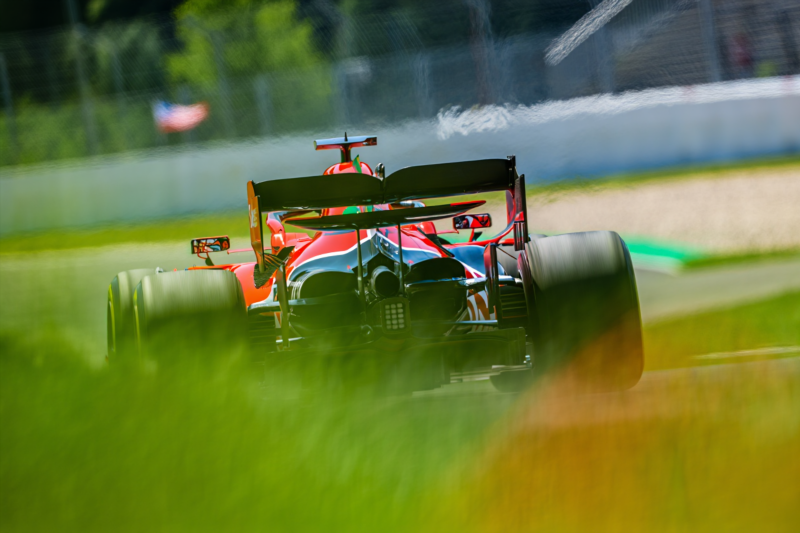
Unlocking the Secrets of F1 Aerodynamics: How Balance Adjustments Elevate Race Performance
In the high-stakes world of Formula 1, every fraction of a second counts. Among the many aerodynamic elements influencing a car’s behavior, the front wing and rear wing stand out as pivotal components in optimizing speed, handling, and overall performance. Understanding how to adjust these wings for better balance can make the difference between a podium finish and a mediocre race. This article explores the strategic interplay between front and rear wing adjustments, providing expert insights to help teams and enthusiasts maximize track performance.
The Critical Role of Front and Rear Wings in F1
What Do the Front and Rear Wings Do?
Front Wing: Acts as the primary generator of downforce at the front of the car. It influences steering response, grip on the front tires, and overall aerodynamic balance.
Rear Wing: Primarily generates downforce at the back, managing stability, traction, and top speed. It also impacts drag, which affects acceleration and top-end velocity.
Why Are Wing Adjustments Important?
Tweaking the angle and configuration of the front and rear wings allows teams to tailor the car’s aerodynamics to suit specific track conditions, such as high-speed straights or tight corners. Proper balance between the front and rear downforce ensures optimal handling, minimizing understeer or oversteer tendencies.
How Balance Adjustments Improve Track Performance
The Science Behind Wing Adjustments
Adjusting wing angles modifies the downforce and drag produced by each aerodynamic element. For example:
- Increasing front wing angle boosts front downforce, improving grip in corners but can reduce top speed due to increased drag.
- Raising rear wing angle enhances rear downforce, offering better stability and traction during acceleration and cornering.
However, these changes must be carefully balanced to avoid detrimental effects such as excessive drag leading to slower lap times or understeer/oversteer imbalances.
| Adjustment Impact | Effect on Performance | When to Use |
| More front wing downforce | Better cornering, steering responsiveness | Tight, technical tracks |
| More rear wing downforce | Increased rear grip, stability | High-speed circuits with fast corners |
| Reduced wing angles | Lower drag, higher top speed | Straight sections, qualifying laps |
How These Adjustments Improve Handling and Speed
By fine-tuning front and rear wings:
- Enhanced Cornering: Increased downforce generates better grip, enabling faster corner entry and exit.
- Optimized Straight-Line Speed: Reducing wing angles decreases drag, allowing higher maximum speeds on straights.
- Balanced Traction and Stability: Achieving the right front-rear downforce balance prevents understeer or oversteer, maintaining controllability at high speeds.
Expert Tips for Optimizing Wing Settings
Understanding Track Characteristics
Before making adjustments, analyze the track profile:
- Tight and Twisty Circuits: Favor higher front and rear downforce settings.
- High-Speed Circuits: Require a more balanced approach, possibly reducing wing angles for higher straight-line speeds.
Data-Driven Adjustments
Leverage telemetry and real-time data:
- Monitor tire loads and grip levels during practice.
- Use airflow and downforce simulations to predict how adjustments impact behavior.
Incremental Tuning Approach
Avoid large adjustments in one go:
- Make small changes to wing angles.
- Test on track and record performance metrics.
- Iterate based on data to refine balance systematically.
Team Coordination
Coordinate with engineers on weight distribution, suspension settings, and tire choices, as wing adjustments interact with other aerodynamic elements.
Frequently Asked Questions
Can wing adjustments compensate for poor track conditions?
While wing settings can be optimized for weather and track specifics, they can’t fully compensate for fundamental car or driver issues. Proper setup, driving technique, and strategic decision-making remain essential.
How often should teams adjust wings during a race?
Teams may make strategic adjustments during pitstops if the track conditions change or if real-time data indicates a need for better balance, such as switching from high downforce to low downforce configurations.
Do all drivers prefer the same wing settings?
No, driver preferences and driving styles influence ideal wing settings. Some drivers prefer more front grip for aggressive cornering, while others prioritize rear stability.
Optimizing front and rear wing angles is a sophisticated art rooted in physics, data analysis, and track-specific strategy. Proper balance between these aerodynamic components enhances both speed and handling, leading to faster lap times, better tire management, and overall race success. Whether you’re a team engineer or passionate fan, understanding and applying these principles can dramatically improve your track performance, turning aerodynamic tuning into a competitive advantage.
Ready to take your understanding of F1 aerodynamics to the next level? Dive into our comprehensive analysis and stay ahead of the competition with ApexHappiness F1 — your ultimate source for deep race insights and strategic perspectives.