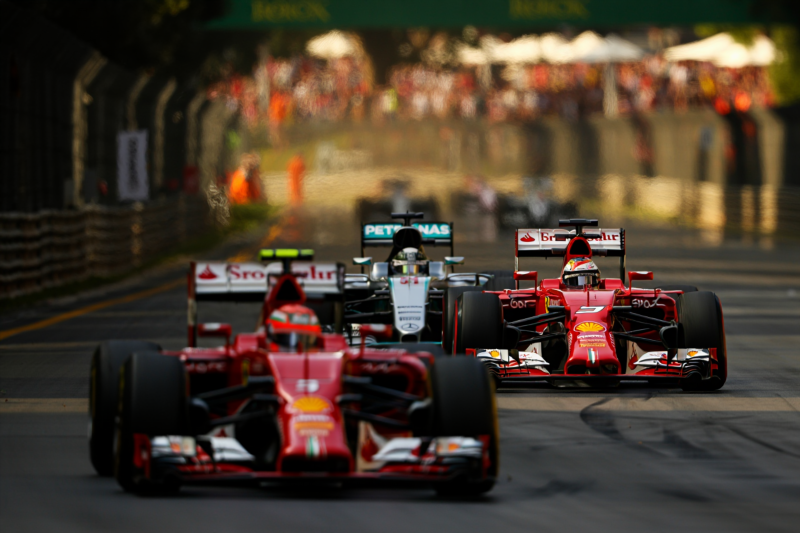
How Team Orders and Multi-Car Tactics Influence Race Results
In the high-octane universe of Formula 1, sheer speed isn’t the only factor that determines victory. Behind the scenes, teams employ sophisticated team orders and multi-car strategies that can make or break race outcomes. Understanding how these tactics influence results offers a deeper appreciation of F1’s strategic complexity—transforming race viewing from mere entertainment into a cerebral sport of calculated moves and split-second decisions.
What Are Team Orders and Multi-Car Strategies?
Defining Team Orders
Team orders are directives given by team management to drivers during a race. These instructions can range from:
- Allowing a teammate to overtake,
- Maintaining position for strategic advantages,
- Or even sacrificing one driver’s race to favor the other.
Historically controversial, team orders are now an accepted, integral part of racing strategy, aiming to optimize the team’s overall performance.
Understanding Multi-Car Tactics
Multi-car strategies involve orchestrating multiple vehicles within the same team to work collectively. This can include:
- Coordinated pit stops,
- DRS (Drag Reduction System) maneuvers,
- Tire management strategies tailored across drivers,
- Creating traffic scenarios to disrupt rivals.
By playing multiple vehicles, teams attempt to maximize race points, create overtaking opportunities, or manage risks.
When Do These Strategies Succeed?
Examples of Effective Use
- Strategic Driver Exchange: Mercedes’ dominance with Lewis Hamilton and Valtteri Bottas often involved team orders to optimize race positions, especially in tight championship battles.
- Double Stops & Slipstreaming: Teams coordinating pit stops or drafting tactics can outmaneuver opponents, as seen in the 2019 German GP when strategic tire management and multi-car tactics led to a stunning comeback.
Key Factors for Success
| Factor | Explanation |
| Clear Communication | Precise instructions reduce confusion and mistakes |
| Timing of Orders | Executed at moments when they influence the outcome most |
| Balance of Power | Drivers’ trust and understanding of team strategy |
When Do These Strategies Falter?
Common Pitfalls and Failures
- Miscommunication: Poor exchange of instructions can cause position swaps or accidents, such as during the 2002 Austria GP involving team orders controversy.
- Timing Mistakes: Ineffective timing can result in the overtaking of the intended driver or loss of position, impacting race points.
- Driver Discontent: If drivers feel their autonomy is overly compromised, it can lead to tension and mistakes, as famously seen with the 2010 German GP involving Sebastian Vettel and Mark Webber.
Consequences of Failed Tactics
- Disqualification, penalties, or compromised race standings.
- Erosion of team morale and driver trust.
- Public backlash if perceived as unfair or unethical.
Strategical Decision-Making: The Science Behind the Moves
Data-Driven Tactics
Teams combine telemetry, tire data, fuel consumption, and track conditions to decide when and how to implement team orders or multi-car tactics, aiming to:
- Maximize tire life,
- Control race pace,
- Manage fuel loads,
- Exploit regulation loopholes.
Regulation Impact
Changes in FIA regulations—such as restrictions on team orders or overtaking—shape how teams plan multi-car tactics, prompting more nuanced and covert strategies.
Final Thoughts: Mastering the Art of Race Craft
Understanding how team orders and multi-car tactics influence race results is essential for anyone seeking a comprehensive grasp of Formula 1. These strategies are not merely about obeying directives; they’re about orchestrating a symphony of precision moves to outthink, outmaneuver, and outpace rivals in the relentless pursuit of victory.
By analyzing successful and failed instances, fans and enthusiasts can decode the complex chess game happening during each race, transforming viewing into strategic insight. Whether observing pit stop timing, slipstream battles, or overtaking plans, appreciating these tactics allows fans to see F1 not just as a race of speed, but as a battlefield of strategic mastery.
Frequently Asked Questions (FAQs)
1. Are team orders legal in Formula 1? Yes, since 2011, the FIA lifted restrictions on team orders, allowing teams to instruct drivers without penalty. However, overt tactics must adhere to regulations to prevent unfair advantages like blocking.
2. Can driver rivalry interfere with team strategies? Absolutely. Driver disputes or personal tensions can complicate multi-car tactics, sometimes forcing teams to adapt their plans on the fly.
3. How do teams decide when to activate multi-car tactics? Based on race context, track position, tire life, and opponent behavior — teams rely heavily on data analytics and real-time telemetry.
4. Do all teams use multi-car strategies equally? No. Top teams with multiple competitive drivers are more adept at executing complex tactics, while smaller teams may have limited resources for such intricate planning.
Unlock Your Racing IQ
Understanding these tactical layers elevates your appreciation of Formula 1 from mere spectacle to a master class in strategic thinking. Dive deeper into race analysis, study regulatory impacts, and follow team communications to see the art of racing unfold.
Ready to master the science of speed? Stay tuned to ApexHappiness F1 for in-depth insights, latest strategies, and expert analysis that reveals the secrets behind every Grand Prix victory—or defeat.