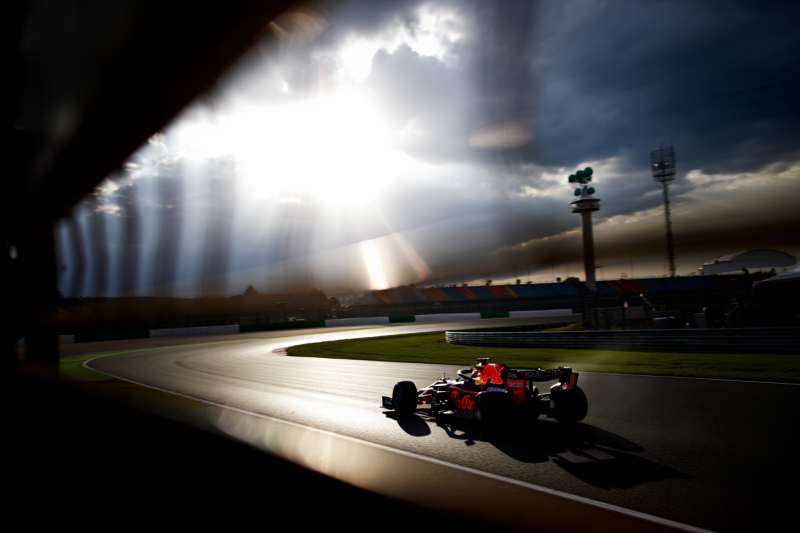
Understanding the Impact of Weather and Track Variations on Formula 1 Strategies
In the high-stakes world of Formula 1, every millisecond counts. Among the most dynamic factors influencing race outcomes are weather conditions and track variations. They are not just background elements but pivotal components that drivers, teams, and engineers must interpret in real time to adapt strategies swiftly and effectively. ApexHappiness F1 dives deep into this critical aspect of race performance, revealing how weather and track changes serve as powerful variables that can make or break a race result.
Why Weather and Track Conditions Matter
The Science Behind Track Dynamics
Weather impacts every surface, sensor reading, and decision-makers’ call during a Grand Prix. Rain, temperature shifts, wind, and even sunlight alter track friction and car behavior dramatically:
- Rain and Wet Tracks: Reduce grip, increase chances of oversteer and aquaplaning, and require tire strategy adjustments.
- Temperature Fluctuations: Affect tire degradation and engine performance, necessitating real-time management.
- Wind: Can influence car stability and aerodynamics, especially in exposed circuits.
Speed and Safety: The Balancing Act
Optimal performance depends on understanding these environmental shifts. Teams that master this can switch from aggressive to conservative tactics instantly, preserving tire life, maintaining control, and exploiting opportunities that arise unexpectedly.
Real-Time Strategy Adaptation: A Key to Victory
How Teams Monitor and React to Environmental Changes
Modern Formula 1 teams employ sophisticated telemetry, weather radar, and predictive modeling to anticipate and react:
- Weather Radar Data: Tracks live storm movements and forecasts short-term changes.
- Tire Data & Sensor Feedback: Guides tire choice, pressure adjustments, and pitstop timing.
- Track Condition Monitoring: Measures grip levels to decide on driving style and aerodynamic setups.
Strategic Responses to Weather and Track Variations
| Scenario | Typical Strategy Response | Optimal Outcome |
| Sudden Rain | Switch to intermediate or wet tires | Maintain grip & control |
| Track Drying | Adjust tire pressure & wings for dry conditions | Maximize speed & downforce |
| Cooling Temperatures | Early pitstop & tire warm-up tactics | Avoid degradation & maintain pace |
Staying Ahead of the Game: Tips for Race Teams and Enthusiasts
For Teams and Drivers
- Predict & Prepare: Use weather forecasts and real-time data analytics to plan ahead.
- Flexible Tactics: Be ready to switch between tire compounds, adjust aerodynamics, or alter race pace based on environmental signals.
- Communication: Maintain seamless communication channels for instant updates and decision-making.
For Fans & Analysts
- Follow Live Data: Utilize apps and telemetry feeds that provide weather and track condition updates.
- Understand Key Indicators: Recognize how tire wear patterns and engine temps mirror environmental shifts.
- Engage with Real-Time Analysis: Leverage authoritative insights during broadcasts and streams to deepen strategic understanding.
Why Staying Informed Matters — The ApexHappiness F1 Edge
Immediate access to weather and track variation data empowers teams and fans to predict, react, and capitalize on fluctuating conditions. This agility turns inclement weather from a disruptive factor into a strategic opportunity, ensuring you’re always a step ahead in the high-speed race of modern Formula 1.
Frequently Asked Questions
How does weather influence tire choice during a race?
Weather directly affects tire grip and degradation. Rain requires intermediate or full wet tires, while dry conditions favor slicks. Changes in temperature can hasten or slow tire wear, prompting teams to modify their tire strategy dynamically.
Can teams accurately predict weather changes mid-race?
While no prediction is perfect, modern telemetry and weather radar significantly enhance predictive accuracy. Teams combine this data with real-time sensors to adapt quickly to unforeseen shifts.
What role does aerodynamics play during varying weather conditions?
Aerodynamic setups are modified based on track grip and airflow changes caused by weather. For example, decreasing wing angles can improve stability during rain, while maximizing downforce during dry conditions.
By mastering the science of weather and track variations, Formula 1 teams turn unpredictable environmental factors into strategic advantages. Stay informed, adaptable, and ahead—because in the world of apex speed, knowledge is power. Discover how to optimize your race strategy today and experience the thrill of racing at the edge of nature’s unpredictable forces.