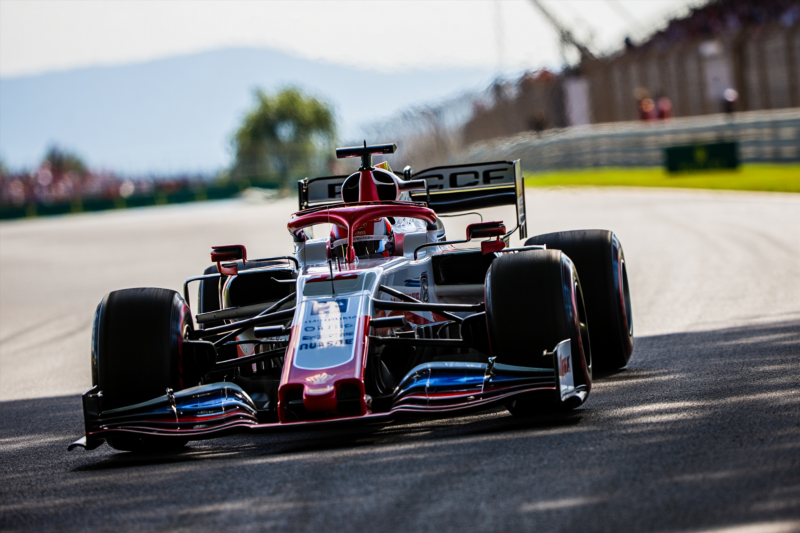
Unlocking the Secrets Behind Saturday’s Speed
In the high-stakes world of Formula 1, understanding the divergence between qualifying performance and race pace is crucial for teams seeking an edge. While some cars dominate during Friday and Saturday sessions, their race-day consistency may fall short. Conversely, others excel during the race but struggle to post quick lap times in qualifying. This article explores why certain cars shine during qualifying, the underlying factors influencing these performance disparities, and how teams can optimize their vehicles to excel across both sessions.
The Fundamentals: What Sets Qualifying Apart from Race Conditions
Understanding the core differences between qualifying and race conditions provides a foundation for analyzing performance disparities.
| Aspect | Qualifying Session | Race Day |
| Objective | Fastest lap time | Consistent lap pace, endurance |
| Fuel Load | Minimal (sprint fuel) | Heavier, start with more fuel |
| Car Setup | Aero configuration, low drag | Balance for durability and tire management |
| Tire Strategy | Fresh, ultra-soft tires | Compound wear, management over many laps |
| Track Conditions | Less traffic, ideal conditions | Traffic, tire degradation, varying weather |
Key Factors Affecting Performance
- Car Setup Optimization:
Qualifying setups prioritize maximum aerodynamic downforce and minimum drag to achieve rapid lap times, often sacrificing long-term tire grip and fuel efficiency—traits critical for the race.
- Tire Performance and Strategy:
Ultra-soft tires used in qualifying offer incredible grip but degrade quickly. During the race, teams must balance tire wear with durability, often opting for compounds that provide longer life at the expense of raw speed.
- Fuel Load and Weight Distribution:
Lighter fuel loads during qualifying allow for higher corner speeds, whereas heavier, fuel-laden cars on race day may struggle to replicate qualifying lap times.
- Track and Weather Conditions:
Cooler track temperatures and less traffic during qualifying can favor cars equipped with specific aerodynamic setups, contributing to superior lap times compared to race conditions.
Why Some Cars Perform Better on Saturday
1. Optimized Aerodynamics for Low Drag
Cars focusing on low-drag aerodynamic configurations during qualifying can achieve remarkable lap times. These setups unlock maximum top speeds and swift cornering, unencumbered by weight or tire degradation concerns that impact race performance.
2. Specialized Tire Choices for Single-Lap Speed
Teams utilize ultra-soft tires in qualifying, providing superior grip and longevity over one or two laps. This tire choice enables drivers to push the limits without immediate concern for degradation.
3. Strategic Fuel Management
Reducing fuel loads before qualifying maximizes agility and acceleration, giving the car an obstacle-free performance window.
4. Driver Skill and Risk Appetite
Drivers often push their limits during qualifying sessions, employing aggressive racing lines and daring maneuvers that are not sustainable in race conditions.
Improving Race Performance: Bridging the Gap
While qualifying performance has its advantages, race endurance and consistency are paramount for podium finishes. Here are strategies to translate qualifying speed into race results:
1. Adjust Aerodynamic Settings
Balancing downforce for better tire grip and stability can improve long-run pace, even if it slightly reduces top speed during qualifying.
2. Tire Management Optimization
Employing strategic tire management—such as staggered pit stops and tire-saving driving styles—can maintain higher speeds throughout the race.
3. Fuel Strategy Planning
Conserving fuel and planning effective early stops can help maintain pace and prevent drop-offs caused by heavier fuel loads.
4. Data-Driven Insights and Real-Time Adjustments
Utilize telemetry data to adapt during the race, optimizing tire usage and adjusting driving style as conditions evolve.
FAQs: Common Questions About Qualifying and Race Performance
Why do some cars qualify faster but don’t win races?
Qualifying speed is often achieved with specialized setups and limited fuel, optimized for single-lap performance. Race success depends on endurance, tire management, strategy, and consistency—factors that may favor different car configurations.
Can teams improve their race pace to match qualifying speed?
Yes. By refining aerodynamic setups, refining tire management techniques, and strategizing fuel and pit stops, teams can enhance long-term race pace, reducing the gap between qualifying and race performance.
How does regulation impact qualifying and race setups?
Regulatory changes influence vehicle aerodynamics, tire specifications, and safety measures, requiring teams to adapt both qualifying and race strategies to remain competitive.
In the complex realm of Formula 1, excelling in qualifying is a significant advantage, but achieving race victory requires a harmonious balance between raw speed and endurance. By understanding the factors that make some cars shine on Saturday—such as aerodynamic tuning, tire choices, and driver strategies—teams can leverage this knowledge to optimize their vehicles for both sprints and marathons. Whether you’re a team engineer, a data analyst, or an avid fan, appreciating this performance dichotomy deepens your understanding of F1’s science of speed—and how to harness it for better results today.
Ready to elevate your F1 insights and strategies? Explore ApexHappiness F1 for in-depth race analysis, driver insights, and engineering breakdowns that power every Grand Prix.