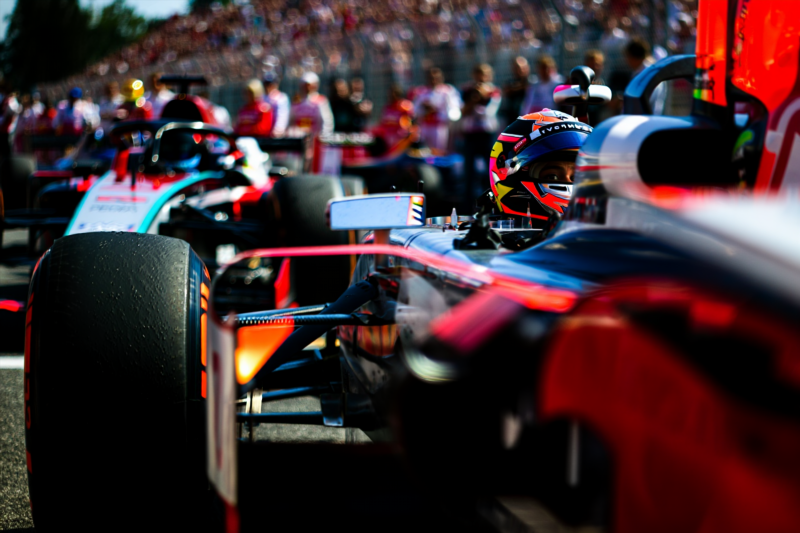
In Formula 1, the race start is arguably the most critical phase of any Grand Prix. A flawless launch can propel a driver into the lead, while a misstep could result in unnecessary position loss or costly accidents. At ApexHappiness F1, we delve deep into the science behind clutch timing, launch strategies, and the inherent risks during the first lap. This article provides you with essential insights to optimize your race start, enhance safety, and refine your overall race strategy.
Understanding Clutch Engagement: The Key to a Perfect Launch
What is Clutch Bite Point?
The clutch bite point is the precise moment when the clutch plates begin to engage, transmitting engine power to the gearbox. Proper management of this point is vital for a smooth and powerful launch. Drivers and teams analyze this point meticulously via launch maps to ensure optimal acceleration.
Significance of Clutch Timing in Race Starts
- Optimal power transfer: Proper clutch engagement minimizes wheel spin and maximizes forward thrust.
- Control and consistency: Accurate timing prevents over-revving and clutch wear, ensuring a reliable start.
- Strategic advantage: Different tracks and conditions demand specific clutch engagement points for maximum effectiveness.
Launch Maps: Precision at Your Fingertips
Teams create launch maps—predefined settings for clutch bite points and throttle application—tailored to:
- Track layout
- Weather conditions
- Car setup
This strategic planning ensures drivers execute consistent, high-quality starts under varying circumstances.
First Lap Risks: Navigating the Perils of the Opening Circuit
Common First Lap Hazards
- Collision and contact, especially in tightly packed grids
- Inconsistent grip levels due to track temperature and tire conditioning
- Unpredictable driver behavior and reactions
Key Risks to Consider
- Over-aggressive launches: Lead to wheel spin, loss of control, or damage
- Poor clutch engagement timing: Causes bogging down or wheel lock-up
- Inadequate risk management: Failures to adapt to track conditions increase the chance of incidents
Strategies to Mitigate First Lap Risks
| Strategy | Description |
| Pre-race simulation | Practice different launch settings to find optimal clutch engagement points |
| Real-time telemetry analysis | Monitor clutch bite point and throttle behavior during the start |
| Adaptive driver feedback | Train drivers to adjust clutch engagement based on immediate conditions |
| Track and weather assessment | Use data to refine launch strategies for the specific race day |
Enhancing Performance and Safety: Practical Tips for Teams and Drivers
For Drivers
- Focus on smooth clutch engagement: Minimize sudden jerks to prevent wheel spin
- Develop personalized launch routines: Tailored to your driving style and track conditions
- Stay alert for first lap hazards: Anticipate and react swiftly to avoid collisions
For Teams
- Leverage advanced data analytics: Use telemetry to refine clutch bite point settings
- Configure launch maps meticulously: Adjust for each circuit’s unique demands
- Train drivers in risk management: Emphasize cautious but confident first lap driving
Frequently Asked Questions (FAQs)
How does clutch bite point affect a race start?
The clutch bite point determines the timing of engine engagement. A well-managed bite point ensures maximum acceleration with minimal wheel spin, directly impacting the quality of the launch.
Can launch strategies vary between tracks?
Absolutely. Factors like track surface, grip levels, track layout, and weather all influence optimal clutch engagement and launch map settings.
What are some signs of poor clutch engagement during the start?
Indicators include excessive wheel spin, bogging down, or uneven acceleration. These issues can be addressed through telemetry analysis and driver feedback.
Optimizing clutch timing and understanding first lap risks are crucial for maximizing race performance and safety in Formula 1. By leveraging data-driven launch maps, refining driver techniques, and adopting proactive risk management strategies, teams and drivers can gain a significant competitive edge. At ApexHappiness F1, our detailed analysis and insights serve to elevate your understanding of these critical start-phase elements—fueling faster, safer, and more consistent race performances.
Take action today: Dive into your data, refine your clutch engagement strategies, and approach every race start with confidence and precision.
*Ready to master the race start? Contact ApexHappiness F1 for tailored insights and advanced performance analysis.*