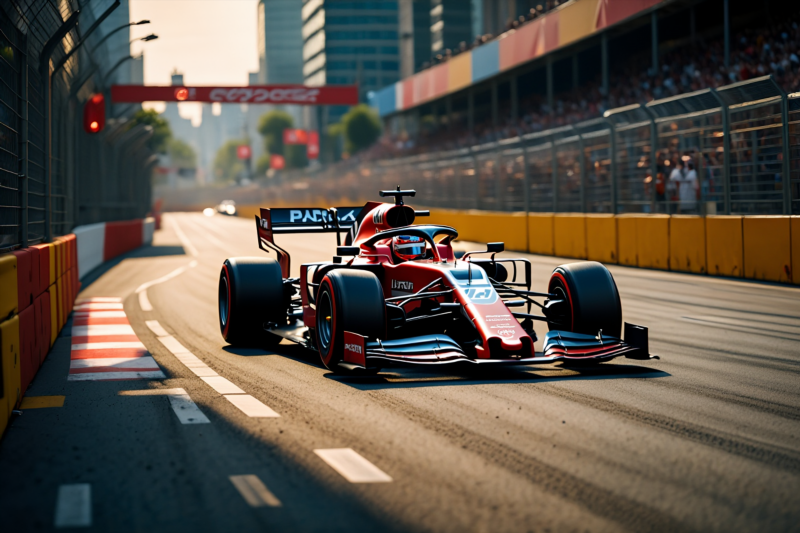
In the high-stakes world of Formula 1, understanding the nuances of different racing environments is crucial for optimizing car performance and safety. Whether racing on the adrenaline-pumping street circuits or the historic, purpose-built classic tracks, teams must adapt their vehicle setups to meet the distinct demands of each venue. At ApexHappiness F1, we delve deep into these differences, exploring how evolving car technology and strategic adjustments ensure drivers excel across diverse circuits.
The Unique Demands of Street Circuits
Characteristics of Street Circuits
Street circuits are characterized by their tight turns, narrow roads, and urban surroundings. These tracks, often temporary setups within cityscapes, are designed with challenging layouts that test driver skill and vehicle agility.
Key features include:
- Shorter lap lengths
- Sharp, frequent corners
- Limited run-off zones
- Variable surface conditions
- High grip with significant curb usage
Vehicle Setup Adaptations for Street Circuits
Handling & Aerodynamics:
- Increased downforce: To maximize grip in tight turns, teams often opt for higher aerodynamic load, ensuring stability through rapid cornering.
- Aggressive steering ratios: Enhanced responsiveness is essential for precise maneuvering in confined spaces.
- Modified brake balance: Greater emphasis is placed on braking stability due to frequent braking zones.
Tire Strategy:
- Tighter tire management: Curbs and abrasive surfaces accelerate tire wear; therefore, tailored tire pressures and compound choices are crucial.
- Frequent pitstops: Vulnerable to damage and degradation, necessitating flexible strategies.
Safety Considerations:
- Variable grip and surface conditions: Worn pavement or weather can dramatically impact tire performance and vehicle handling.
- Barrier proximity: Cars must be configured for predictability and control in tight confines to mitigate collision risks.
Characteristics of Classic Tracks
The Essence of Traditional Raceways
Classic tracks are purpose-built racetracks designed to test vehicle performance over longer straights and sweeping corners. They often feature large run-off zones for safety and offer opportunities to push the car’s limits.
Typical features include:
- Longer lap distances
- High-speed straights
- Complex, flowing corners
- Less surface variability
- Elevated safety zones
Vehicle Setup Adaptations for Classic Tracks
Handling & Aerodynamics:
- Balanced downforce: Teams often seek a compromise to optimize both speed on straights and grip on corners.
- Lower drag configurations: Reduced aerodynamic drag is prioritized to maximize straight-line speed.
Powertrain & Tires:
- Focus on top-end power: Engines and transmissions are tuned for high-speed performance.
- Strategic tire choices: Longer stints are possible with tire compounds that sustain durability; managing tire wear becomes critical on abrasive surfaces.
Safety & Performance:
- Stability at high speeds: Suspension setups prioritize stability during high-speed runs and braking zones.
- Efficiency: Car configurations often emphasize fuel and tire efficiency, trading off some outright grip for endurance.
How Car Requirements Evolve Across Different Circuits
| Aspect | Street Circuits | Classic Tracks |
| Aerodynamics | High downforce, aggressive rear wing designs | Balanced or reduced downforce for speed on straights |
| Suspension Tuning | Softer to absorb bumps and curb impacts | Stiffer for stability at high speeds |
| Brake Management | Increased cooling, aggressive braking zones | Focused on endurance and temperature management |
| Tire Strategy | Shorter life, higher degradation | Longer stints, durability-oriented |
| Safety Considerations | Enhanced agility and control in tight environments | Emphasis on stability and high-speed safety |
Advanced Insights: Data and Trends Shaping Car Adaptability
As modern Formula 1 evolves, teams leverage data analytics and simulations to refine adaptations for each circuit type. Trends include:
- Real-time aerodynamics adjustment through active systems
- Dynamic tire pressure management
- Optimized brake cooling based on track profile
- Adjustments in power unit deployment to suit circuit demands
By integrating these innovations, teams ensure their cars can swiftly adapt to changing conditions and circuit requirements.
Why Understanding Car Adaptations Matters
F1 teams that master these adaptations can gain decisive advantages:
- Improved lap times
- Enhanced safety margins
- Better tire and fuel management
- Strategic flexibility during races
This deep understanding enables teams to tailor their strategies, maximize performance, and set new benchmarks on both street circuits and classic tracks.
Frequently Asked Questions
How do teams decide on the optimal car setup for a new track?
Teams analyze previous data, conduct simulations, and consider circuit-specific features such as length, corner types, and surface conditions. Test runs and practice sessions further refine these setups.
Can a car be equally optimized for both street circuits and classic tracks?
While some adjustments overlap, a car optimized for one environment may underperform on the other. Teams strive for a flexible baseline setup, with quick adjustments during race weekends.
What are the biggest challenges in adapting cars for street circuits?
Main challenges include managing tire wear on abrasive surfaces, ensuring safety within tight confines, and balancing downforce for agility without sacrificing top speed.
Understanding how cars need to adapt between street circuits and classic tracks is fundamental for success in modern Formula 1. From aerodynamics to tire strategies, every element must be meticulously tuned to meet the demands of each unique racing environment. At ApexHappiness F1, we bring you the latest insights, analysis, and strategic perspectives to decode the science of speed and help teams and fans appreciate the artistry behind every Grand Prix.
Ready to Dive Deeper?
Stay ahead with our exclusive race analyses and driver insights. Subscribe today and unlock expert strategies that bring you closer to the heart of Formula 1 innovation!