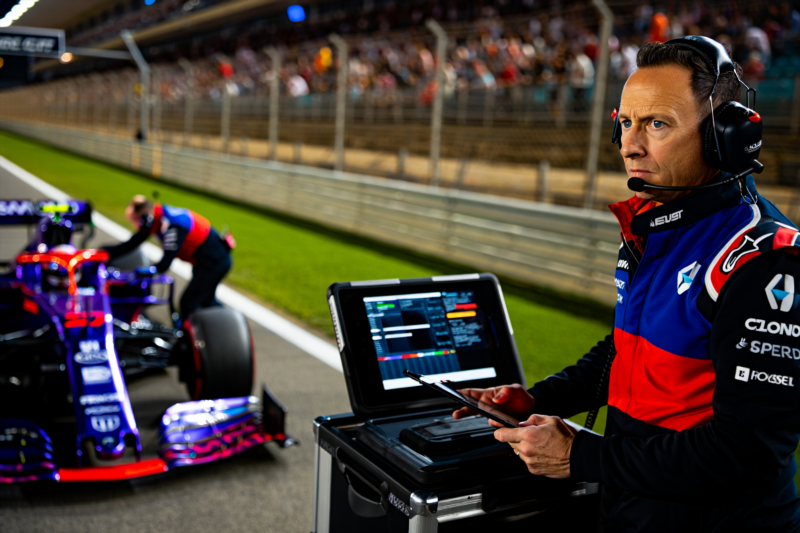
In the high-stakes world of Formula 1, success hinges not only on the drivers’ raw talent but also on the seamless collaboration between countless specialized roles within the team. Among these, trackside and factory roles stand out as two pivotal pillars that drive performance, innovation, and strategic decision-making. Understanding the distinct responsibilities, key performance indicators, and strategic approaches of these roles can profoundly impact team efficiency and race results.
ApexHappiness F1—your trusted hub for deep race analysis, driver insights, engineering breakdowns, and strategic perspectives—delves into the core differences between trackside and factory positions. Whether you’re a team strategist, engineer, or passionate F1 enthusiast, this exploration will help you grasp how each role contributes to the science of speed.
What Are Trackside and Factory Roles?
Trackside Roles
Trackside roles are directly involved in the on-the-ground decisions during race weekends. These professionals operate on or near the circuit, reacting in real-time to dynamic race conditions. Their primary focus is immediate data collection, tactical adjustments, and communication with the driver.
Key responsibilities include:
- Monitoring real-time telemetry and race data
- Communicating with the driver regarding car behavior and strategic instructions
- Making rapid decisions on tire strategies, pit stops, and race tactics
- Responding to environmental factors like weather, track conditions, and potential safety car deployments
Factory Roles
Factory roles encompass the work done away from the circuit, primarily within the team’s base of operations. These engineers and strategists focus on long-term development, analysis, and planning that influence race day decisions.
Key responsibilities include:
- Designing and developing car components and aerodynamics
- Analyzing data collected during races and testing to optimize performance
- Preparing strategic plans and simulations for upcoming races
- Supporting trackside teams with engineering insights and updates
Performance and Strategy Differences
Understanding how trackside and factory roles contribute differently to performance and strategy is essential for optimizing overall team effectiveness.
Responsiveness versus Innovation
| Aspect | Trackside Roles | Factory Roles |
| Primary Focus | Real-time tactical decisions during the race | Long-term development and innovation |
| Core Strength | Rapid reaction to on-track conditions | Analytical and strategic planning |
| Decision-Making | Immediate, based on current telemetry and in-race scenarios | Data-driven, based on comprehensive analysis and simulations |
Implication: Trackside personnel excel at instantaneous adaptability; factory teams drive the technological evolution behind the scenes.
Data Utilization and Feedback Loop
| Aspect | Trackside Roles | Factory Roles |
| Data Collection | Telemetry data, driver feedback, environmental factors | In-depth data analysis, wind tunnel testing, CFD simulations |
| Feedback Implementation | Quick adjustments—tire pressure, wing angles, fuel load | Car development, aerodynamic tweaks, component durability |
Strategic Impact
| Aspect | Trackside Roles | Factory Roles |
| Race Strategy | Making split-second decisions on pit stops, tire compounds, and race pacing | Preparing strategic frameworks and contingency plans |
| Car Development | Feedback from track influences ongoing development cycles | Implementing insights from race data into future designs |
How Do These Roles Enhance Overall Performance?
Synergy in Action
The success of a Formula 1 team depends on a finely tuned synergy between trackside agility and factory innovation. When factory engineers develop the latest aerodynamic improvements or powertrain upgrades, it’s the trackside team that tests and refines these advancements in real race conditions.
Examples of synergy include:
- Developing tire strategies based on factory testing data
- Implementing aerodynamic modifications during races based on real-time feedback
- Adjusting car setups to exploit new components designed in the factory
Performance Metrics and KPIs
| Metric | Trackside Focus | Factory Focus |
| Reaction Time | Critical for lap-to-lap adjustments and pit stop decisions | N/A (focused on long-term improvements) |
| Data Accuracy | Precise telemetry and driver input | Comprehensive analysis and modeling accuracy |
| Development Speed | Rapid deployment of modifications during race weekends | Extended R&D cycles for upgrades |
Understanding these KPIs enables teams to allocate resources effectively and improve overall race day performance.
Frequently Asked Questions
What is the main difference between trackside and factory roles in Formula 1?
The primary difference lies in their operational focus: trackside roles involve immediate, real-time decision-making during races, while factory roles concentrate on analysis, development, and strategic planning away from the track.
How do factory teams support trackside decision-making?
Factory teams provide vital insights derived from data analysis, simulations, and engineering developments. This support enables the trackside team to make informed, strategic decisions rapidly during races.
Can a team succeed without dedicated factory and trackside personnel?
While technically possible, teams lacking this division struggle with innovation, responsiveness, and strategic finesse—crucial elements in modern Formula 1 racing’s intensely competitive environment.
In the relentless pursuit of speed and precision, the integration of trackside agility and factory innovation is what elevates a Formula 1 team from good to championship-winning. Recognizing the distinct yet interconnected roles helps teams optimize performance, streamline communications, and adapt swiftly to race-day challenges.
Stay ahead in F1 strategy and engineering—discover how the science of speed is powered by both the quick-thinking trackside team and the visionary factory engineers. Learn more today with ApexHappiness F1.