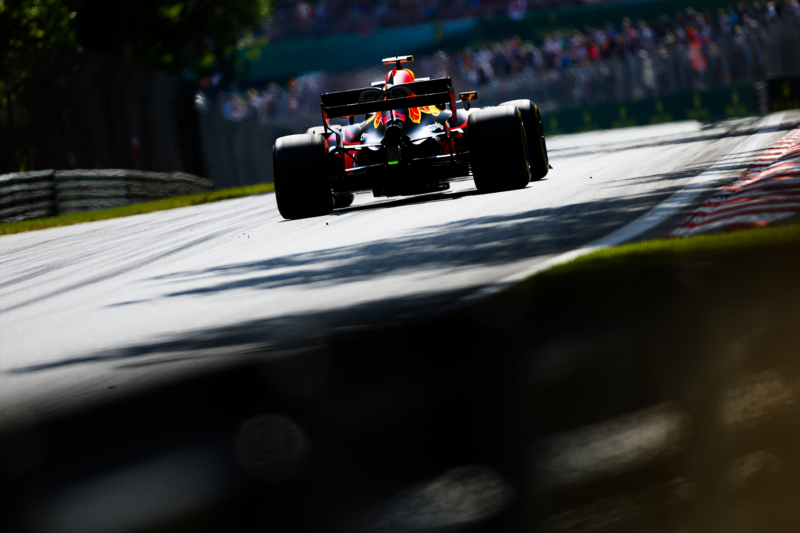
In the high-speed world of Formula 1, maintaining optimal tire grip is crucial for race performance. Yet, drivers often encounter puzzling moments where tire grip suddenly drops off during a lap—what experts call “Tyre Cliff Moments.” Understanding these occurrences is essential for teams and drivers aiming to preserve competitive edge, achieve better lap times, and avoid costly errors. In this article, we explore why tyre grip drops unexpectedly during race laps, what causes these abrupt changes, and effective strategies to sustain peak performance throughout the race.
The Phenomenon of Tyre Cliff Moments
What Are Tyre Cliff Moments?
A “Tyre Cliff Moment” describes a fast, significant loss of grip that occurs suddenly, often catching drivers off-guard. These moments can be the difference between a winning strategy and losing valuable seconds or positions. Typically, they happen within seconds and are influenced by a combination of tire physics, race conditions, and driver inputs.
Why Do They Happen?
Several factors contribute to these rapid declines in tire grip:
- Temperature Fluctuations: Rapid changes in tire and track surface temperatures lead to shifts in grip levels.
- Degradation Dynamics: Tire wear accelerates unpredictably due to high loads and aggressive driving.
- Track Surface Abnormalities: Slick patches, kerbs, or debris can cause sudden grip loss.
- Aerodynamic and Tire Interaction: Changes in downforce or airflow can alter tire contact with the track.
- Driving Style: Excessive or aggressive steering, braking, or acceleration can trigger slip conditions.
Key Causes of Sudden Grip Drop in Race Laps
1. Tire Temperature Shock
Tires operate within an optimal temperature window—typically between 90°C and 120°C for racing slicks. When temperatures fall below this range, rubber hardens, reducing grip. Conversely, overheating can cause rapid tire degradation. Unexpected cooling during a lap—say, after a lock-up or cooling off on a straight—can trigger grip loss.
2. Degradation and Wear Patterns
Tire degradation isn’t always linear. Localized wear, such as blistering or chunking, can create weak spots that suddenly lose grip. Drivers pushing too hard or running long stints without tire management can face sudden grip cliff effects.
3. Track Surface & Conditions
Track temperature, rubber buildup, and surface imperfections influence grip levels. An area with a sudden decrease in grip—like a painted curb or a moisture patch—can induce slip or spin.
4. Aerodynamic Changes and Downforce Shifts
Any alteration in vehicle aerodynamics—such as a sudden gust of wind or a change in angle—can temporarily reduce downforce, diminishing tire contact and causing grip loss.
5. Tire Composition and Compound Selection
Harder compounds offer more durability but less grip initially, while softer compounds provide higher initial grip but degrade faster. Misjudging compound behavior relative to track conditions can lead to cliff moments.
Strategies to Prevent and Manage Tyre Grip Drop
1. Real-Time Data Monitoring
Utilize telemetry to keep an eye on tire temperatures, pressures, and wear indicators. Detecting early signs of temperature imbalances allows proactive adjustments.
2. Tire Management and Driving Style
- Smooth Inputs: Gentle acceleration, braking, and steering reduce shock loads.
- Consistent Pace: Avoid aggressive maneuvers that increase tire wear.
- Optimal Tire Heat Cycling: Gradual warm-up and consistent lap times maintain stable grip.
3. Track and Weather Awareness
- Track Informed Strategy: Recognize sections prone to grip loss and adapt line choices.
- Weather Adaptation: Adjust driving based on ambient and track temperature changes.
4. Scheduled Tire Stops and Swaps
Preemptively changing tires before performance drops ensures you stay within optimal temperature and wear ranges.
5. Engineering and Aerodynamic Tuning
Adjustments to rear wing angles or airflow can influence load distribution, stabilizing tire contact patches during different race phases.
Staying Ahead: Leveraging Data and Expertise
In ApexHappiness F1, we emphasize the importance of deep data analysis and strategic planning. By understanding the science behind tire grip and reaction to race conditions, teams can develop predictive models to avoid cliff moments altogether. Advanced simulation tools and on-the-fly adjustments, rooted in ese scientific insights, are paramount to optimizing tire performance and capturing precious race seconds.
FAQs About Tyre Cliff Moments in Formula 1
| Question | Answer |
| *Can driver technique fully prevent grip drops?* | No, but smooth driving can minimize abrupt thermal and wear shocks that cause grip loss. |
| *Are specific tire compounds more prone to cliff moments?* | Softer compounds tend to degrade faster, increasing the likelihood of sudden grip loss if not managed properly. |
| *How does track temperature influence tyre grip?* | Higher track temperatures can cause overheating, while cooler conditions may prevent tires from reaching optimal operating temperatures, both risking grip drops. |
Understanding why tire grip suddenly drops during race laps is a blend of physics, engineering, and strategic insight. Recognizing the warning signs and implementing targeted strategies can help drivers and teams mitigate the impact of tyre cliff moments. At ApexHappiness F1, our focus on deep analysis and innovative solutions ensures teams stay proactive—keeping the science of speed on their side and maximizing their performance every lap.
Ready to master tyre management and unlock your racing potential? Contact us today to explore tailored strategies that keep your performance at peak levels.